

More People Are Moving in Than Out of Places Experiencing Intense Drought
74% of U.S. metros with more than half of homes facing intense drought saw more people move in than out this year. An estimated $17 trillion worth of homes (about 25 million properties) experienced intense drought in August, up 42% from a year earlier. There were 13 metros, including Las Vegas, Sacramento and Austin, where

For Cleveland Homebuyers, the Typical Energy Utility Bill Is Equal to 31% of Mortgage Costs—A Higher Percentage Than Any Other Major Metro
Nationwide, energy costs are taking up a smaller portion of homeowner expenses because they’re not surging nearly as quickly as housing prices. The typical U.S. household spent an estimated $2,127 on energy utility bills in 2021, equal to 14.8% of the annual mortgage payment for homebuyers. That compares with $1,986 (15.8%) a year earlier and

Scores of Pandemic Homebuyers Purchased Vacation Homes With High Natural-Disaster Risk
Purchases of second homes with high flood, storm and/or heat risk surged roughly 40% over the past two years. Many pandemic homebuyers purchased vacation homes, which are frequently vulnerable to natural disasters. In 2020 and 2021, purchases of second homes with high flood risk rose 45% from the prior two-year period (2018-2019), according to a

Homes With High Fire Risk Sell For Nearly $120,000 More Than Low-Risk Homes As Americans Flock to Fire-Prone Suburbia
The typical high-fire-risk home sold for $550,500 in April, while the typical low-risk home sold for $431,300. That’s the biggest premium since at least 2017. The median sale price of high-risk homes jumped 52% during the pandemic, while the median sale price of low-risk homes rose 41%. High-risk homes sell for more in part because
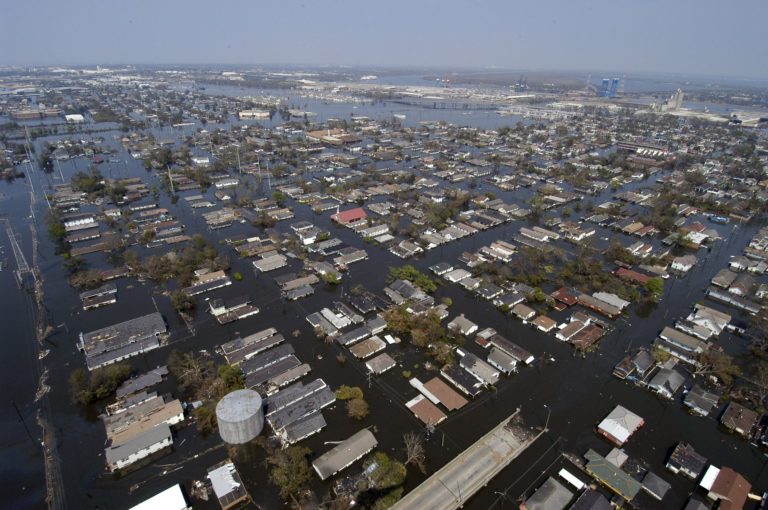
In Texas and Florida, Nearly 90% of Flood-Insurance Policyholders Set to See Premiums Rise Due to FEMA Overhaul
The two Sun Belt states—which have gained more residents than any other state during the pandemic—are getting hit hardest by FEMA’s price hikes. By comparison, 81% of FEMA policyholders overall are seeing costs increase as a result of the agency’s insurance overhaul. Texas and Florida face substantial flood risk, and have in the past had
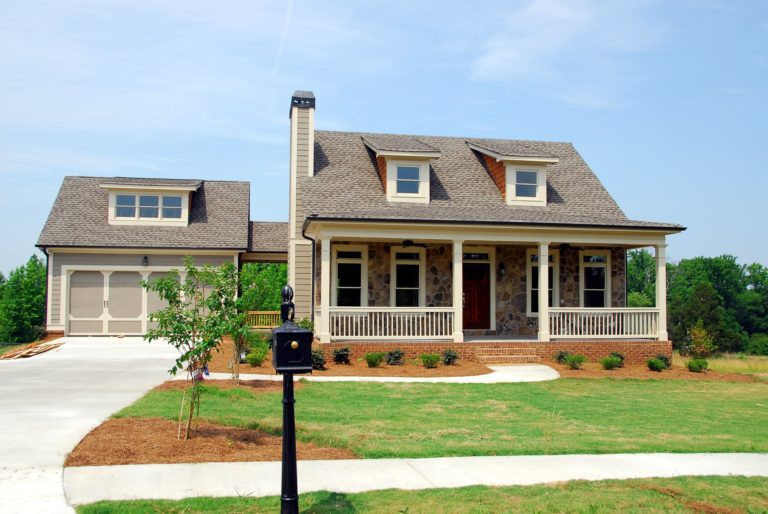
Real-Estate Investors Bought a Record 18% of the U.S. Homes That Sold in the Third Quarter
Investors purchased a record $64 billion worth of homes as growing housing and rental prices boosted prospects for returns. Single-family homes made up nearly three-quarters of investor purchases—an all-time high. Low-priced properties represented 36% of investor purchases, the smallest share on record. Investors had the largest market share in Atlanta, Phoenix, Charlotte, Jacksonville and Miami,
More People Are Moving in Than Out of Places Experiencing Intense Drought
74% of U.S. metros with more than half of homes facing intense drought saw more people move in than out this year. An estimated $17 trillion worth of homes (about 25 million properties) experienced intense drought in August, up 42% from a year earlier. There were 13 metros, including Las Vegas, Sacramento and Austin, where
For Cleveland Homebuyers, the Typical Energy Utility Bill Is Equal to 31% of Mortgage Costs—A Higher Percentage Than Any Other Major Metro
Nationwide, energy costs are taking up a smaller portion of homeowner expenses because they’re not surging nearly as quickly as housing prices. The typical U.S. household spent an estimated $2,127 on energy utility bills in 2021, equal to 14.8% of the annual mortgage payment for homebuyers. That compares with $1,986 (15.8%) a year earlier and
Scores of Pandemic Homebuyers Purchased Vacation Homes With High Natural-Disaster Risk
Purchases of second homes with high flood, storm and/or heat risk surged roughly 40% over the past two years. Many pandemic homebuyers purchased vacation homes, which are frequently vulnerable to natural disasters. In 2020 and 2021, purchases of second homes with high flood risk rose 45% from the prior two-year period (2018-2019), according to a
Homes With High Fire Risk Sell For Nearly $120,000 More Than Low-Risk Homes As Americans Flock to Fire-Prone Suburbia
The typical high-fire-risk home sold for $550,500 in April, while the typical low-risk home sold for $431,300. That’s the biggest premium since at least 2017. The median sale price of high-risk homes jumped 52% during the pandemic, while the median sale price of low-risk homes rose 41%. High-risk homes sell for more in part because
In Texas and Florida, Nearly 90% of Flood-Insurance Policyholders Set to See Premiums Rise Due to FEMA Overhaul
The two Sun Belt states—which have gained more residents than any other state during the pandemic—are getting hit hardest by FEMA’s price hikes. By comparison, 81% of FEMA policyholders overall are seeing costs increase as a result of the agency’s insurance overhaul. Texas and Florida face substantial flood risk, and have in the past had
Real-Estate Investors Bought a Record 18% of the U.S. Homes That Sold in the Third Quarter
Investors purchased a record $64 billion worth of homes as growing housing and rental prices boosted prospects for returns. Single-family homes made up nearly three-quarters of investor purchases—an all-time high. Low-priced properties represented 36% of investor purchases, the smallest share on record. Investors had the largest market share in Atlanta, Phoenix, Charlotte, Jacksonville and Miami,